
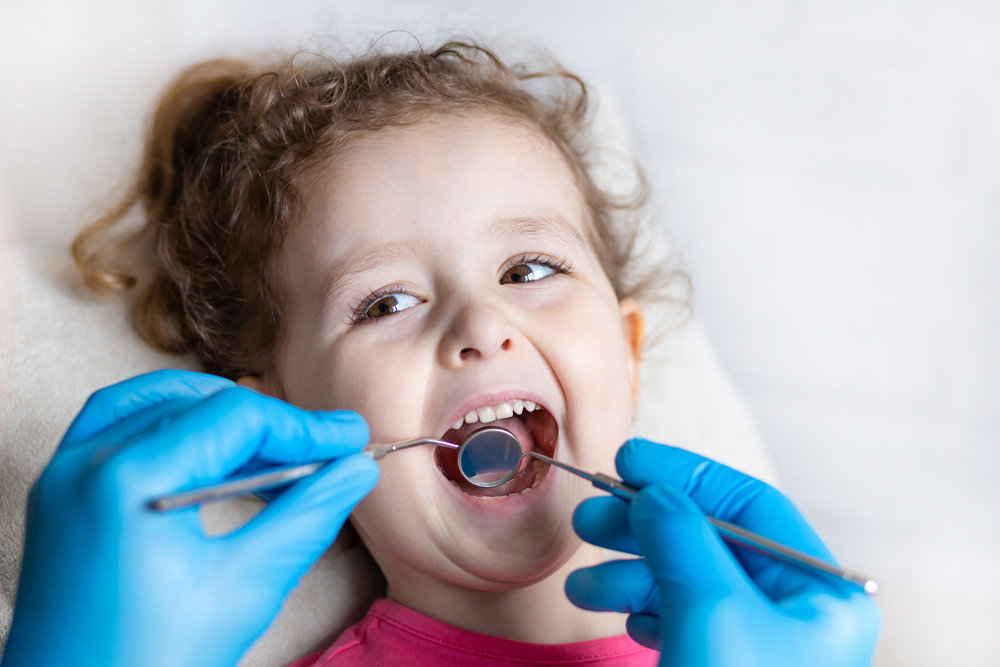
Toothache in Children
06-01-2025Toothache in children is one of the most common concerns for parents. Erupting baby teeth, cavities, dietary habits, and other factors can lead to toothache, affecting the child’s daily activities and overall health. Toothache not only disrupts children’s sleep and appetite but also impacts their psychological well-being.
This article will provide a comprehensive guide to the causes of toothache in children, effective treatment methods, and essential preventive measures.
Causes of Toothache in Children
Why Do Baby Teeth Decay Faster?
Baby teeth are covered with a thin and delicate layer of enamel, making them more prone to decay. These teeth are crucial for a child’s overall dental structure as they pave the way for the proper eruption of permanent teeth and aid in chewing.
Reasons for Rapid Decay:
- Thin Enamel: The enamel of baby teeth is thinner compared to permanent teeth, allowing decay to spread more quickly.
- Poor Oral Hygiene: Inconsistent or inadequate oral hygiene practices allow bacteria to accumulate, leading to decay.
- Diet: Sugary and starchy foods damage baby teeth faster, contributing to cavities.
Key Point: Premature loss of baby teeth can lead to jaw alignment issues and improper eruption of permanent teeth.
Tooth Decay (Caries) and Pain
Tooth decay is the leading cause of toothache in children. It starts when bacteria damage the enamel and, if untreated, spreads to the inner layers of the tooth.
Causes of Tooth Decay:
- Sugary Foods: Candies, chocolates, and carbonated drinks promote bacterial growth and acid production.
- Inadequate Brushing: Lack of proper brushing leaves food particles, encouraging bacterial activity.
Consequences of Advanced Tooth Decay:
- Severe pain,
- Damage to the tooth’s nerve tissue,
- Abscesses or infections.
Recommendation: Parents should consult a dentist as soon as the early signs of decay (e.g., sensitivity or discoloration) appear.
Sugary Foods and Pacifier Habits
Excessive sugar intake and inappropriate use of pacifiers are major contributors to tooth decay in children.
Risks:
- Sugary substances create a sticky layer on the tooth surface, providing an ideal environment for bacterial growth.
- Carbonated drinks weaken enamel, making teeth more susceptible to decay.
Pacifier Habits:
- Coating pacifiers with sugar, honey, or other sweet substances accelerates enamel erosion and cavity formation.
Solutions:
- Offer sugar-free foods to children.
- Limit pacifier use and ensure it is only exposed to clean water.
Dental Injuries
Injuries to teeth due to play or accidental falls are common among children. Such trauma can result in pain or even loss of a tooth.
Impact of Dental Trauma:
- Damage to nerve tissue leading to sharp pain.
- Fracture or complete loss of the tooth.
Recommendations:
- Examine the tooth carefully after an injury.
- Visit a dentist immediately, as underlying damage may not be visible.
- Use mouthguards during sports and physical activities.
Toothache in Infants and Toddlers
Teething
The eruption of baby teeth typically begins between 6-12 months of age. This process can cause discomfort, itching, and irritability.
Signs of Teething Discomfort:
- Red, swollen gums.
- Attempts to chew or bite on objects.
- Increased irritability and loss of appetite.
Tips to Relieve Discomfort:
- Massage the gums with a cooled teething toy.
- Apply light pressure on the gums with clean fingers.
- Use dentist-recommended teething gels for severe discomfort.
Caring for Baby Teeth
Maintaining oral hygiene from an early age is crucial, even before teeth erupt.
Hygiene Practices for Infants:
- Wipe the gums with a clean, damp cloth after feeding.
- Start brushing with a soft toothbrush and a small amount of baby-safe toothpaste as soon as the first tooth appears.
Goal: Develop proper oral care habits early to prevent future dental issues.
How to Relieve Toothache in Children
Toothache can disrupt both the child’s and the family’s routine. Choosing the right methods to alleviate pain and addressing the underlying cause is essential.
Safe Pain Relievers
Pain relievers recommended by a doctor can help reduce toothache in children. Common options include:
- Ibuprofen: Effective for pain and inflammation. Always use the appropriate dose based on the child’s age and weight.
- Paracetamol: A safer option for mild to moderate pain.
Note: Always consult a pediatrician or dentist before administering any medication. Avoid increasing the dosage without professional guidance.
Home Remedies
Safe and natural remedies can help temporarily alleviate toothache at home.
- Cold Compress:
- Wrap a cold pack or ice in a soft towel and apply it to the cheek.
- This reduces blood flow to the area, providing temporary pain relief and reducing swelling.
- Natural Treatments:
- Clove Oil: Its antiseptic properties can reduce pain and inflammation. Apply a small amount to a cotton ball and place it near the affected tooth.
- Peppermint Tea: Use cooled peppermint tea as a mouth rinse to combat inflammation and bacteria.
- Saltwater Rinse: A natural disinfectant that reduces bacteria and soothes pain (for children old enough to rinse safely).
When to See a Dentist
If the toothache persists or the child experiences any of the following symptoms, consult a dentist immediately:
- Pain lasting more than two days,
- Swelling in the cheek or around the affected tooth,
- Presence of pus or a foul odor,
- Deterioration in the child’s general condition (e.g., loss of appetite, disrupted sleep).
Delaying treatment can result in the spread of infection and more severe complications.
How to Protect Your Child’s Dental Health
Proper oral care and nutrition play a vital role in maintaining healthy teeth. Here are key steps to safeguard your child’s dental health:
Brushing Habits
- Ensure brushing twice a day—morning and evening.
- Use a soft-bristled toothbrush suitable for the child’s age.
- Choose fluoride toothpaste to strengthen enamel and prevent cavities.
Limiting Sugary Foods
Sugary foods are a primary cause of tooth decay. To reduce their impact:
- Limit sugary snacks and drinks.
- Introduce healthy alternatives such as fruits, vegetables, yogurt, and cheese.
- Offer natural snacks like almonds and celery instead of processed treats.
Fissure Sealants and Fluoride Application
Modern dental techniques offer effective solutions for cavity prevention:
- Fissure Sealants: These are applied to the chewing surfaces of molars to protect against decay. This painless procedure is highly effective.
- Fluoride Treatments: Strengthen enamel and provide long-lasting protection against cavities.
Frequently Asked Questions
1. What should I do first if my child has a toothache?
Apply a cold compress and monitor the child’s condition. If necessary, use a pain reliever under medical supervision.
2. What causes toothache in infants?
The main cause is teething, which creates pressure and inflammation in the gums.
3. What are some home remedies for toothache?
Cold compress, peppermint tea, and clove oil are effective temporary solutions.
4. Is it safe to give medication for toothache?
Medications like ibuprofen or paracetamol can be safe when prescribed by a doctor. Avoid self-medication.
5. How does early loss of baby teeth affect dental health?
It can disrupt the alignment of permanent teeth and lead to jaw development issues.
6. What foods support healthy teeth?
Foods rich in calcium and phosphorus, such as milk, cheese, yogurt, almonds, and crunchy vegetables like carrots and celery, promote strong teeth.
Conclusion
Relieving toothache and ensuring proper oral health in children requires consistent effort from parents. Regular dental check-ups, good oral hygiene, and a balanced diet are critical for protecting your child’s teeth. Timely consultation with a dentist can prevent minor issues from becoming major problems.